Careme

Location: Fred Meyer - Bellevue (2041 148Th Ave Ne)

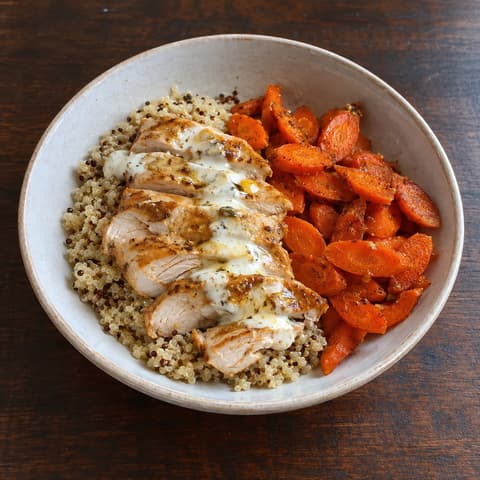
Lemon-Garlic Chicken Quinoa Bowls

Lemon-garlic chicken, fluffy quinoa, and cumin-browned carrots make a bright, Lebanese-inspired bowl featuring Washington’s November storage vegetables.
  • Total time: 50 min
  • Servings: 2 servings
  • Estimated total cost: $6
  • Calories per serving: 590 cal
  • Stovetop

Drink pairing: Sauvignon Blanc complements the lemon-garlic chicken and sweet carrots; sparkling water with lemon is a refreshing alcohol-free choice.

Ingredients

  • Heritage Farm® Boneless Skinless Chicken Breasts
    12 ounces $2.59
  • Kroger® Quinoa
    1/2 cup dry (about 3 ounces) $3.99
  • Carrots
    1 pound $1.39
  • Fresh Organic Lemon
    1 medium $1.29
  • Garlic
    3 cloves $0.79
  • Desi Natural Dahi Low Fat Milk Yogurt
    1/3 cup $5.99
  • Olive oil
    2 tablespoons
  • Ground cumin
    1 teaspoon
  • Ground cinnamon
    1/8 teaspoon
  • Ground black pepper
    1/4 teaspoon
  • Fine table salt
    1 5/8 teaspoons

Instructions

  1. Pat 12 ounces chicken breasts dry. Slice horizontally as needed into cutlets about 1/2 inch thick. Season both sides with 3/4 teaspoon fine table salt and set aside while preparing the vegetables.

  2. Scrub or peel 1 pound carrots and cut diagonally into 1/4-inch-thick slices. Finely grate 3 garlic cloves, keeping each clove’s portion separate. Zest and juice 1 medium lemon; reserve 1 teaspoon zest and 2 tablespoons juice for the recipe.

  3. Rinse 1/2 cup dry quinoa in a fine-mesh strainer. Put it in a small saucepan with 1 cup water and 1/8 teaspoon fine table salt. Bring to a boil, cover, and reduce to low. Simmer for 15–18 minutes, until the water is absorbed. Remove from the heat and let stand, covered, for 5 minutes, then fluff.

  4. While the quinoa cooks, stir together the lemon-yogurt sauce:

    • 1/3 cup low-fat plain yogurt
    • 1 grated garlic clove
    • 1 tablespoon lemon juice
    • 1 teaspoon olive oil

    Set aside until serving.

  5. Heat 1 tablespoon olive oil in a large skillet over medium-high heat. Add the sliced carrots and 3/4 teaspoon fine table salt. Cook for 3 minutes, stirring occasionally. Add 1/4 cup water, cover, and cook for 4 minutes. Uncover and cook for another 4–6 minutes, until tender with browned edges.

  6. Reduce the skillet heat to medium. Add 1 grated garlic clove, 1/2 teaspoon ground cumin, and 1/8 teaspoon ground cinnamon to the carrots. Stir for 30 seconds, then transfer the spiced carrots to a bowl and cover to keep warm.

  7. Add 2 teaspoons olive oil to the same skillet over medium heat. Season the salted chicken with 1/2 teaspoon ground cumin and 1/4 teaspoon ground black pepper. Cook for 4–5 minutes per side, until the thickest part reaches 165°F. Transfer to a cutting board and rest for 3 minutes.

  8. Turn the skillet heat to low. Add 1 grated garlic clove and stir for 20 seconds. Add 2 tablespoons water and 1 tablespoon lemon juice, scraping up the browned bits. Simmer for 30 seconds, then remove from the heat and stir in 1 teaspoon lemon zest.

  9. Divide the quinoa between two bowls and arrange the spiced carrots alongside it. Slice the rested chicken across the grain and place over the quinoa. Spoon the warm lemon-garlic pan juices over the chicken and finish with the lemon-yogurt sauce.

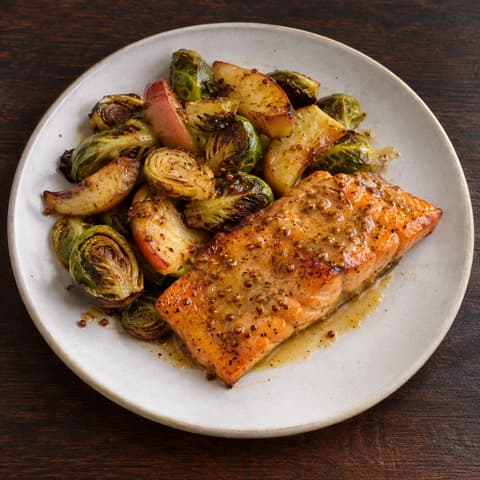
Mustard-Glazed Steelhead with Apples & Brussels Sprouts

Steelhead trout roasts alongside caramelized Brussels sprouts and apples with a tangy mustard glaze, highlighting flavors associated with Washington’s November table without assuming local sourcing.

  • Total time: 50 min
  • Servings: 2 servings
  • Estimated total cost: $15
  • Calories per serving: 610 cal
  • Oven

Drink pairing: A light Pinot Noir complements the rich trout, sweet apples, and browned Brussels sprouts.

Ingredients

  • Fresh Steelhead Trout Fillet
    1 pound, cut into 2 portions $11.99
  • Brussels sprouts
    12 ounces $2.99
  • Fuji apple
    1 large, about 8 ounces $1.49
  • Olive oil
    2 tablespoons
  • Whole-grain Dijon mustard
    1 tablespoon
  • Apple cider vinegar
    1 tablespoon
  • Honey
    1 teaspoon
  • Morton kosher salt
    2 1/4 teaspoons
  • Black pepper
    1/4 teaspoon

Instructions

  1. Heat the oven to 425°F with a rack in the middle. Line a large rimmed sheet pan with parchment. Trim 12 ounces Brussels sprouts and halve them lengthwise, quartering any especially large ones.

  2. Pat 1 pound steelhead trout dry, check for pin bones, and cut into 2 portions if needed. Season the flesh evenly with 1 1/4 teaspoons Morton kosher salt and refrigerate while the vegetables begin roasting.

  3. Toss the prepared Brussels sprouts on the sheet pan with 1 tablespoon olive oil and 1 teaspoon Morton kosher salt. Arrange cut-side down in a single layer and roast for 15 minutes.

  4. Meanwhile, core 1 large Fuji apple, about 8 ounces, and cut it into 1/2-inch wedges. In a small bowl, whisk together the mustard glaze:

    • 1 tablespoon whole-grain Dijon mustard
    • 1 tablespoon apple cider vinegar
    • 1 teaspoon honey
    • 1 tablespoon olive oil
    • 1/4 teaspoon black pepper

    Transfer half the glaze to a separate bowl for the vegetables, keeping it separate from the portion used on the raw fish.

  5. Remove the pan from the oven. Toss the Brussels sprouts and apple wedges with the vegetable portion of the mustard glaze, then spread them around the edges. Place the seasoned trout skin-side down in the center and brush its flesh with the fish portion of the glaze.

  6. Roast for 12–15 minutes, until the trout reaches 130°F in its thickest part and the Brussels sprouts are browned and tender. Transfer the trout to plates and rest for 3 minutes; if needed, leave the vegetables in the oven during the rest.

  7. Divide the roasted Brussels sprouts and apples between the plates, spooning any pan juices around the trout. Serve with the mustard-glazed flesh facing up.

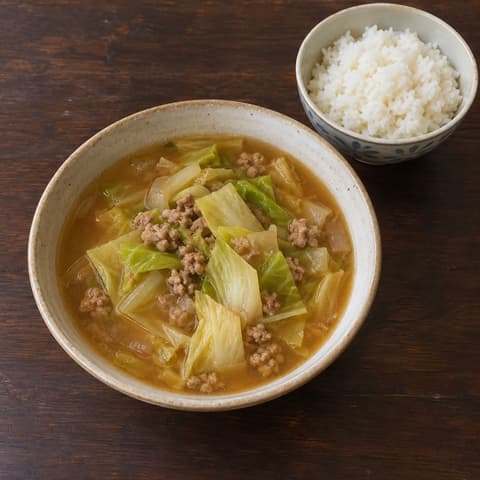
Doenjang Pork & Cabbage Guk

This warming Korean-inspired guk pairs savory doenjang and ginger-garlic pork with cabbage, a good fit for Washington’s November harvest, plus rice for a complete weeknight meal.

  • Total time: 40 min
  • Servings: 2 servings
  • Estimated total cost: $3
  • Calories per serving: 640 cal
  • Stovetop

Drink pairing: Unsweetened barley tea complements the earthy soybean broth without competing with its savory depth.

Ingredients

  • Kroger® Ground Pork
    8 oz $3.69
  • Green cabbage
    12 oz $0.89
  • Yellow onion
    4 oz (about 1/2 medium) $0.89
  • Garlic
    2 cloves $0.79
  • Organic ginger root
    1/2 oz $3.99
  • Doenjang (Korean fermented soybean paste)
    1 1/2 tablespoons
  • Long-grain white rice
    3/4 cup dry $1.89
  • Neutral cooking oil
    1 teaspoon
  • Fine sea salt
    1/2 teaspoon, divided

Instructions

  1. Core and cut 12 oz green cabbage into roughly 1-inch pieces. Peel and thinly slice 4 oz yellow onion. Peel and mince 2 garlic cloves and 1/2 oz ginger, keeping the aromatics separate from the cabbage and onion.

  2. Season 8 oz ground pork with 1/4 teaspoon fine sea salt. This is a reduced amount to account for the salty doenjang added to the broth.

  3. Rinse 3/4 cup dry long-grain white rice and drain. Put it in a small saucepan with 1 1/4 cups water and 1/4 teaspoon fine sea salt. Bring to a boil, cover, and reduce the heat to low. Cook for 18 minutes, then remove from the heat and rest, covered, for 5 minutes. Fluff before serving.

  4. While the rice cooks, heat 1 teaspoon neutral cooking oil in a medium pot over medium-high heat. Add the seasoned pork and cook for 5–6 minutes, breaking it into small crumbles, until lightly browned and cooked to 160°F.

  5. Add the prepared onion to the pork and cook for 3 minutes, stirring frequently. Add the prepared garlic and ginger and stir for 30 seconds, just until fragrant.

  6. Stir 1 1/2 tablespoons doenjang with 1/2 cup warm water until mostly smooth. Add this mixture to the pot with 2 1/2 cups additional water, scraping up the browned bits. Add the prepared cabbage and bring to a gentle boil.

  7. Reduce the heat and simmer uncovered for 12–15 minutes, stirring occasionally, until the cabbage stems are tender and the broth tastes rounded and savory.

  8. Ladle the pork-cabbage guk into two deep bowls, distributing the pork evenly. Serve the rice in small bowls alongside, ready to spoon into the broth.

Add at least one recipe to assemble your shopping list.

Admin

Planned by Careme.